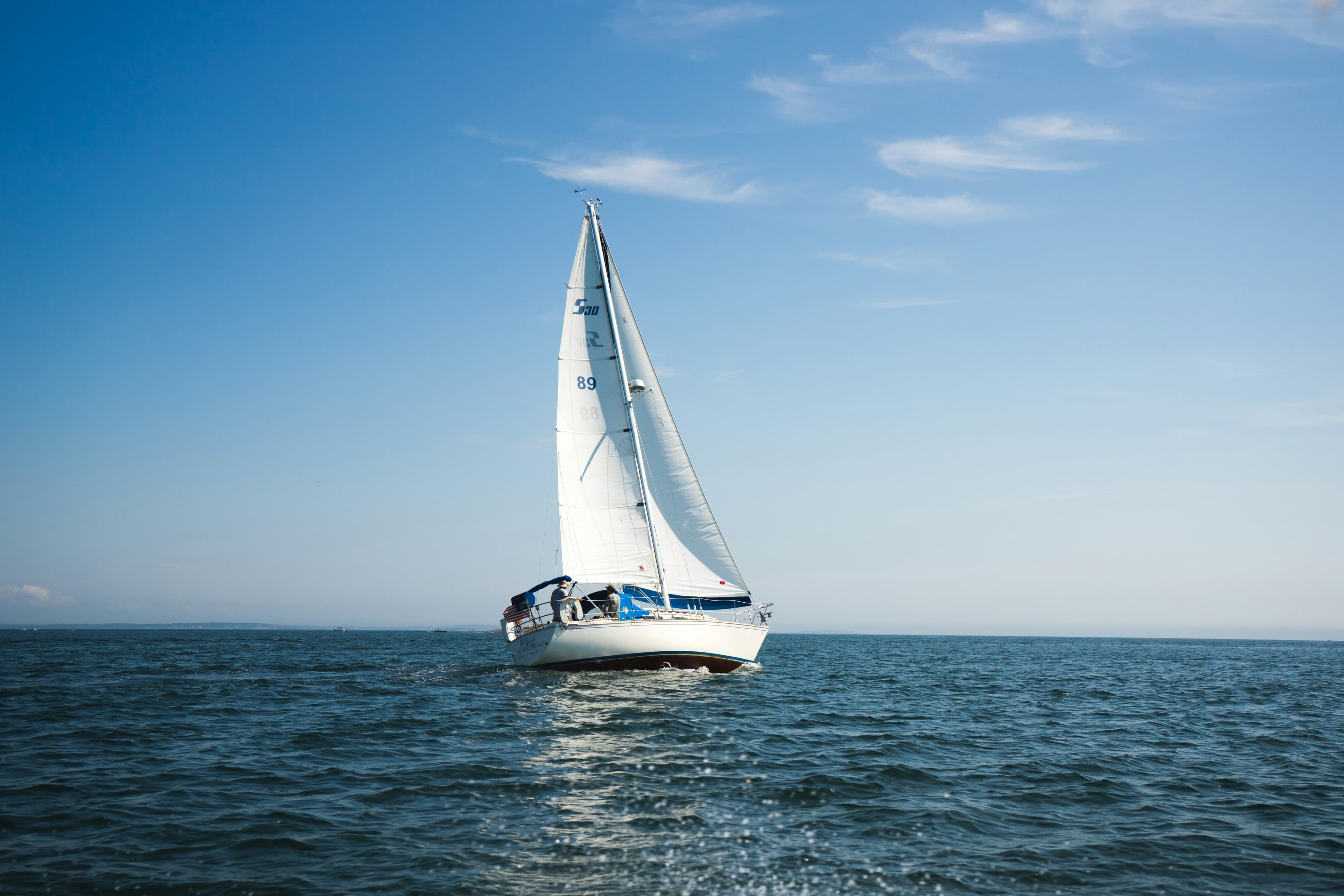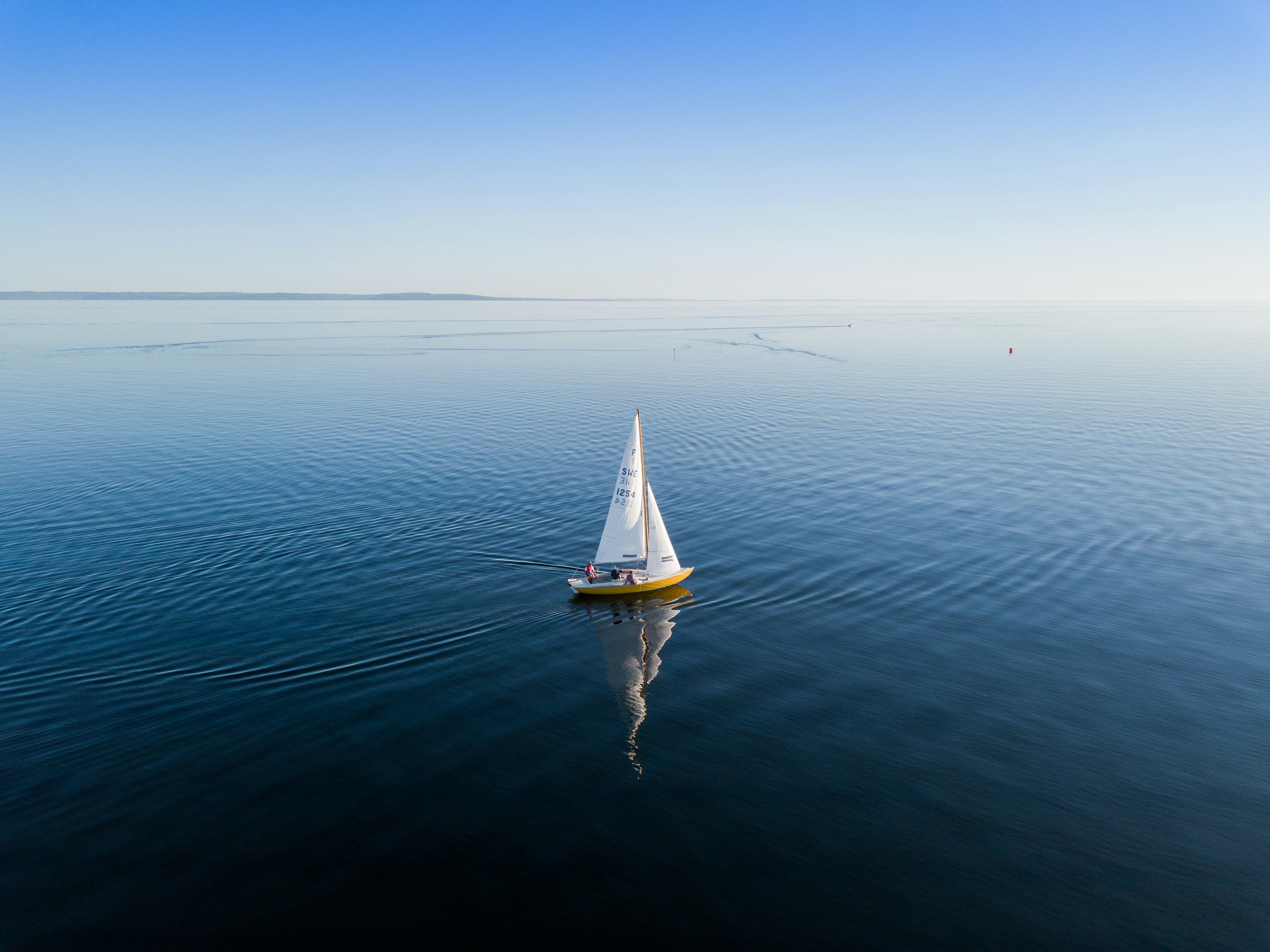
Bareboat charter means you hire the boat without a crew — you are skipper and helmsman, responsible for navigation, safety, and the vessel itself. It is the most flexible and immersive way to sail abroad: you choose your anchorages, set your own pace, and provision exactly as you like. This guide covers what operators expect, what the cost really includes, and how to make a bareboat charter work from the moment you arrive at the marina to the moment you hand back the keys.
What Qualifications Do You Need?
Every bareboat operator requires evidence of competency before handing over the keys. In most Mediterranean and Caribbean destinations, the accepted minimum is the RYA Day Skipper certificate or its internationally recognised equivalent, the ICC (International Certificate of Competence). Some operators in Greece and Croatia also accept a logbook showing significant sea miles — typically 2,500 miles or more — alongside a lesser qualification.
For larger yachts — above 12m, or catamarans — operators routinely ask for RYA Coastal Skipper and a logbook demonstrating recent offshore passages. If you are not sure whether your qualifications are sufficient, contact the charter company before booking. They will tell you exactly what they need and what they will accept.
You will also need a VHF Short Range Certificate (SRC) to operate the boat's radio legally. This is not optional anywhere in the world: the radio is primary safety equipment and you must be licensed to use it. The course takes a day and costs around £150 through any RYA-accredited school.
If your qualifications fall short of bareboat requirements, the solution is skippered charter — a professional skipper comes with the boat, takes legal responsibility for the vessel, and can teach you the local waters. Many experienced sailors do their first Mediterranean season skippered specifically to build local knowledge before going bareboat. Read our full guide to skippered and bareboat hire →
What Is Included in a Bareboat Charter
A standard bareboat charter package includes the boat, its standard safety inventory, basic charts and cruising guides, a marina berth for the first night, and a handover briefing. That safety inventory typically covers: liferaft (serviced), flares (in date), EPIRB, horseshoe buoy, harnesses and jackstays, fire extinguishers, first aid kit, and a danbuoy. Verify this list during your handover — do not assume everything is present or in date.
What you pay separately: fuel, marina and harbour fees, provisioning, and the security deposit. In the Ionian, a week's cruising on a 38ft monohull typically uses £80–£150 of diesel. Marina fees in the Mediterranean range from free at many Greek village quays to €60–€120 per night at commercial marinas in high season.
The charter contract will also specify the security deposit — typically €1,500–€5,000 depending on vessel size, held on a credit card. Charter insurance (also called a damage waiver) reduces your liability excess to zero. A one-week policy costs around £60–£100 and is almost always worth having. Most reputable operators offer it directly or can recommend a provider.
The Handover Briefing
The handover is not a formality. A thorough charter company will spend 60–90 minutes walking you through every system on the boat: engine start and checks, bilge pump, seacocks and their locations, fuel and water capacity, furling systems and sail controls, chart plotter operation, anchor and windlass, and emergency equipment. Ask questions. If anything is unclear, ask again.
Before you sign the check-in sheet, inspect the boat yourself. Note any existing damage — scratches, worn lines, marks — on the inventory sheet and photograph everything. This protects you when you return the boat. Arriving with undocumented pre-existing damage is how deposit disputes start.
Provisioning
Most charter bases are near a supermarket or provisioning service. In Croatia, Lidl is everywhere and stocks well for a week's passage. In the Ionian, Lefkada Town is the main provisioning stop before heading south. Plan in meals per day rather than ingredients — it is easier to provision accurately and you are less likely to overload the lockers. Mediterranean markets are excellent for fresh produce; restock daily at village quays when you can.
Water tankage on a 38–42ft charter yacht is typically 200–300 litres. Running fresh water for showers depletes it quickly. Fill at every marina with a water connection and do not assume the next village quay will have one.
Navigation and Safety Responsibilities
As bareboat skipper, you are legally responsible for the vessel and everyone aboard. Check the weather every morning before moving the boat. In the Ionian, the Meltemi picks up from the north each afternoon in July and August — complete passages by early afternoon. In Croatia, the bura can arrive with very little warning and reach Force 7 or above. The local VHF weather broadcast is your most reliable tool; your charter company will give you the relevant channels at handover.
File a passage plan — even a rough one. Tell someone ashore (or the marina office) where you are going and when you expect to arrive. If you have not checked in by your ETA, they should act on it. This simple discipline costs nothing and has saved lives.
Do not push beyond your experience. A skipper who stays in harbour when conditions deteriorate is not being cautious — they are being competent. The sea respects preparation and punishes arrogance regardless of experience level.
Best Destinations for a First Bareboat Charter
The Ionian Islands — Corfu south to Zakynthos — are the world's most popular first-time bareboat destination. The summer Meltemi is manageable, anchorages are numerous and well-sheltered, and distances between stops are short. Explore Ionian charter options →
Croatia's Dalmatian coast offers outstanding sailing in crystal-clear water, with hundreds of islands and a comprehensive marina infrastructure. The main challenge is the occasional bura — manageable with good weather awareness and local knowledge. Browse Croatia bareboat charters →
The British Virgin Islands are the Caribbean's benchmark bareboat destination: steady trade winds, short island hops, and the best-marked anchorages in the Atlantic. Normans Island, the Baths on Virgin Gorda, and Jost Van Dyke are all within a day's sail of each other. Compare BVI charter options →
Frequently Asked Questions
What qualifications do I need for bareboat charter abroad?
RYA Day Skipper (or ICC) is the accepted minimum for most Mediterranean destinations. For larger vessels or offshore passages, operators typically require RYA Coastal Skipper plus a logbook showing sea miles. Always confirm requirements with the specific operator before booking.
How much does a bareboat charter cost?
A 38–42ft monohull for a week in the Ionian or Croatia typically costs €1,800–€3,500 in high season (July–August), €1,200–€2,200 in shoulder season. Add fuel, marina fees, provisioning, and charter insurance — budget an additional €800–€1,500 per week for a crew of four.
Can I charter bareboat with only a Day Skipper theory certificate?
Theory alone is not sufficient. Operators require the full Day Skipper practical certificate, which includes a minimum of five days on the water. If you have only completed the shorebased course, book a skippered charter first and use it to build the sea time required for your practical assessment.
What happens if I damage the boat?
You are liable up to the value of the security deposit. Charter insurance (damage waiver) reduces your personal liability to zero for most incidents. Read the policy carefully: racing damage and damage caused by negligence are typically excluded.
Do I need to speak the local language?
No. English is the working language of most Mediterranean and Caribbean marinas. VHF radio communications in Greece, Croatia, and the BVI are routinely conducted in English.
When is the best time to charter in the Mediterranean?
May to June and September to October offer the best combination of reliable winds, manageable temperatures, and lower prices than peak season. July and August are busiest and most expensive. First-time charterers often do better in June or September.